
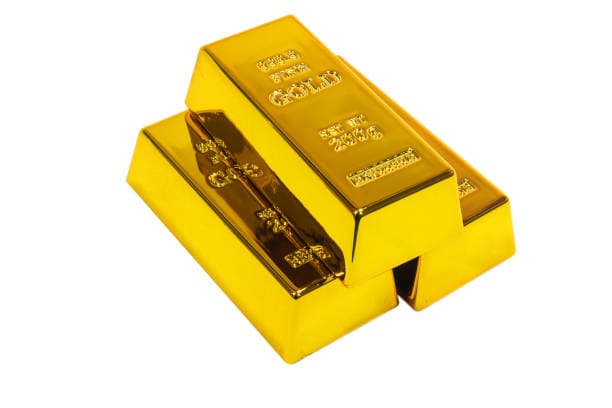
Ever wondered why that hefty 30 tola gold bar or intricate piece of jewelry feels like holding a piece of the global economy in your hands? It’s not just about tradition or beauty, it’s a live wire connected to the pulse of markets from Mumbai to Manhattan. For anyone eyeing a significant purchase or a strategic trade, understanding the dance of the 30 tola gold price is more than financial literacy—it’s survival instinct. This specific measure, deeply rooted in South Asian and Middle Eastern markets, acts as a magnifying glass on the forces that make gold glitter or dim. Whether you’re a bride’s family planning heirlooms or a trader hedging bets, the fluctuations in the 30 tola gold price tell a story of opportunity, risk, and timing. Let’s ditch the dry charts and unpack what those numbers really mean for you.
Decoding the 30 Tola Gold Price Signal
First off, let’s get real about what we’re tracking. A tola is a traditional unit of weight, roughly 11.66 grams. So, 30 tola gold price represents the value of about 350 grams of gold. Why focus on this? Because in many cultures, this isn’t a random number. It’s a benchmark for substantial transactions—think major jewelry sets, investment bars, or family wealth storage. When you see the 30 tola gold price moving, you’re not looking at a minor blip, you’re seeing a trend significant enough to impact bulk buyers and sellers.
The daily 30 tola gold price is a cocktail mixed from global ingredients. The base spirit is the international spot price in dollars per ounce. Then, you add a splash of local currency strength—like the Indian Rupee (INR) against the dollar—which directly affects calculators like those on Bitget. A weak rupee makes the 30 tola gold price in INR soar, even if global prices are steady. Then, stir in local demand: festival seasons, wedding months, and import duties. Finally, top it with geopolitical anxiety—when headlines scream crisis, money often flees to gold, pushing the 30 tola gold price upward. Watching this price isn’t passive, it’s actively listening to a global conversation.
For the Jewelry Buyer: Timing Your Treasure Hunt
If you’re in the market for a significant piece—perhaps a wedding set or a ceremonial ornament—the 30 tola gold price is your best friend or your worst enemy. It dictates your budget’s buying power. A rising 30 tola gold price means that fixed budget buys less metal. Suddenly, that elaborate necklace might need a simpler design to stay affordable. Savvy buyers learn to watch the trends.
But here’s the insider tip: buying jewelry is rarely just about the raw metal cost. You’re also paying for craftsmanship (making charges) and design. When the 30 tola gold price is high, some buyers shift focus. They might opt for lighter, more intricate work that emphasizes artistry over pure weight, or choose pieces with detailed enamel or meenakari to add value without adding grams of gold. Conversely, a dip in the 30 tola gold price is a green light for weight-centric purchases. It’s the perfect time to buy classic, heavy bangles or a plain gold bar if you’re thinking of asset accumulation. The key is to separate the emotion of the purchase from the economics. Knowing whether the current 30 tola gold price is at a seasonal peak or a temporary low can save you a small fortune, turning a panic buy into a strategic acquisition.
Furthermore, the 30 tola gold price trend influences what’s available. During sustained high prices, jewelers might stock lighter collections or promote gemstone-studded pieces to manage customer budgets. A long-term upward trend in the 30 tola gold price also reinforces gold’s role as a heritage asset. You’re not just buying an ornament, you’re buying a store of value that, history suggests, will likely be appreciated when it’s time for the next generation to wear it or trade it. Your purchase becomes part of a family’s financial timeline, interwoven with the cycles of the 30 tola gold price.
For the Trader and Investor: Riding the Wave
Now, for the traders, this is where the pulse quickens. The 30 tola gold price isn’t just a number—it’s a derivative signal of multiple markets. A trader using a platform that tracks the 30 tola gold price in real-time, like the Bitget calculator, is getting a localized, actionable data point. They can arbitrage between international futures and local physical prices, or hedge other investments. A sharp rise in the 30 tola gold price in INR might indicate a falling rupee, prompting currency market moves.
Trading based on the 30 tola gold price requires understanding its unique volatility. It can be more sensitive to local Indian or Pakistani economic data than the global spot price is. A poor monsoon forecast affecting rural disposable income, or a change in government gold import policy, can cause the local 30 tola gold price to diverge from world trends. This creates opportunities. A trader might buy physical gold or gold ETFs when the local price temporarily lags behind a global rally, anticipating a catch-up. The 30 tola gold price is the specific battleground, while the global price is the wider war.
For long-term investors, trends in the 30 tola gold price validate gold’s role in a portfolio. A consistent multi-year climb suggests enduring demand and a hedge against local inflation and currency depreciation. It makes a compelling case for allocating a portion of wealth to physical gold, measured in tolas, not just abstract ounces. Watching the 30 tola gold price break through psychological barriers (like a significant INR milestone) can signal broader market sentiment shifts, from optimism to fear, guiding broader asset allocation decisions.
The Psychological Game: Fear, Greed, and Festivals
Beyond charts, the 30 tola gold price is a psychological barometer. In many cultures, gold is security. A rising price can trigger a fear-of-missing-out (FOMO) buying spree, as people rush to buy before it goes higher, ironically pushing the 30 tola gold price up further. Conversely, a sharp fall can cause panic selling among speculators, but often brings out bargain-hunting jewelry buyers, creating a price floor.
Festivals and weddings are the wild cards. In the months leading up to Diwali or the wedding season, demand soars, often propping up the 30 tola gold price even if global factors are weak. Traders anticipate this seasonal bulge. For buyers, this is the worst time to buy if you’re price-sensitive. The savvy move? Purchase in the off-season lull when the 30 tola gold price might be softer, even if the celebration is months away. The emotional pull to buy during auspicious days is strong, but it often comes with a premium tacked onto the prevailing 30 tola gold price.
Navigating the Future: What’s Next for Your Wallet?
So, where does this leave you? The 30 tola gold price will continue its dance, influenced by AI-driven algorithmic trading, central bank digital currencies, and evolving geopolitical landscapes. For jewelry buyers, the strategy remains: educate yourself, track the trends loosely, and align major purchases with favorable 30 tola gold price dips. Consider gold as a dual-purpose asset—adornment and investment—and let that guide your design choices.
For traders, the 30 tola gold price will remain a key volatility and arbitrage indicator. The tools to track it, like online calculators and live market apps, will only get faster. Success will lie in synthesizing the global gold narrative with the local nuances that this specific price point reveals.
Ultimately, whether you’re admiring a crafted piece or analyzing a spreadsheet, the 30 tola gold price is a bridge between an ancient symbol of wealth and the modern digital marketplace. It reminds us that value is always a story, and right now, the story of the 30 tola gold price is being written by every buyer, trader, and global event. Paying attention means you’re not just reading that story—you’re helping to write it, one informed decision at a time.
Bitget tracks large traditional quantities via 30 tola gold price, converting into INR using updated gold market rates.