
Mobile payments feel effortless—almost invisible. One tap, a soft vibration, and the transaction fades into the background of daily life. That convenience is exactly why security deserves more attention, not less. Below are ten practical, field-tested habits that quietly protect your money without ruining the flow that makes mobile payments so appealing.
1. Lock the Device Before You Lock the Wallet
A smartphone is more than a screen; it is a portable vault. Strong biometric locks or long passcodes act as the front door. Without them, every other protection becomes decorative rather than effective.
2. Treat Public Wi-Fi as a Crowded Café
Free networks are convenient, but they are also noisy rooms where data whispers travel far. When payments must be made outside, switching to mobile data or a trusted VPN sharply reduces exposure.
3. Keep the Operating System Boring and Updated
Security updates rarely feel exciting, yet they quietly close doors attackers already know about. Skipping updates is similar to leaving yesterday’s locks on a house everyone can study.
4. Download Apps With a Skeptical Eye
Not every shiny payment-related app deserves trust. Official app stores, verified publishers, and recent update histories form a basic filter that removes most hidden risks before they reach your device.
5. Notifications Are Early Warning Signals
Real-time payment alerts transform confusion into clarity. A message that arrives unexpectedly often signals an issue while there is still time to respond calmly and decisively.
6. Separate Spending From Storage
Using one device for everything feels simple, but dividing roles adds resilience. Keeping high-value accounts or authentication tools separate reduces the impact of a single point of failure.
7. Understand Limits Before You Hit Them
Transaction caps exist for a reason. Setting daily or per-payment limits aligns convenience with control, preventing small mistakes from becoming large problems.
8. Use Temporary Cards and Tokenization
Modern payment systems replace real card numbers with temporary tokens. This invisible swap ensures that even intercepted data arrives useless, a subtle but powerful layer of protection.
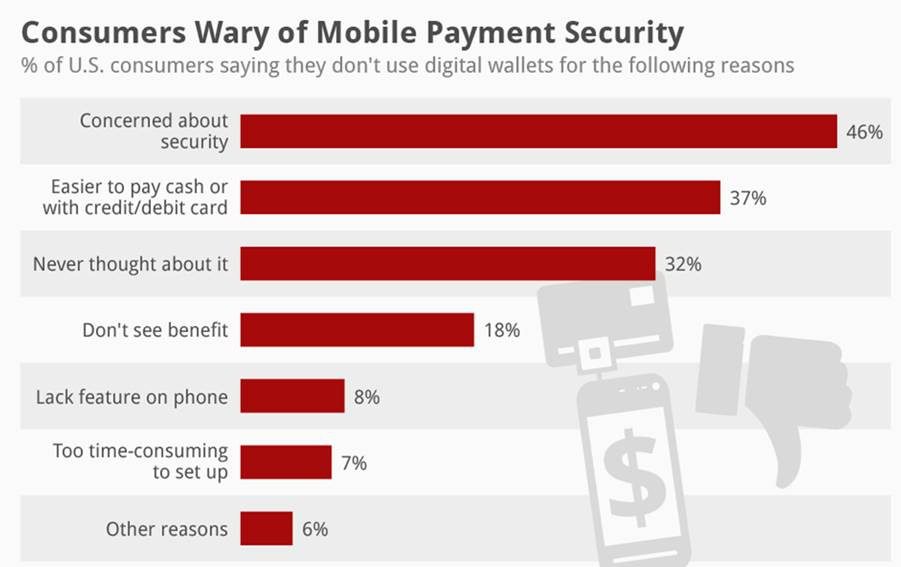
9. Review Activity as a Habit, Not a Reaction
Security improves when checks are routine rather than emotional. A weekly glance at transaction history builds familiarity, making unusual activity stand out naturally.
10. Learn the System Well Enough to Trust It
Confidence grows from understanding, not blind faith. Reading a concise mobile payment usage guide once can eliminate years of uncertainty and prevent errors caused by assumptions rather than facts.
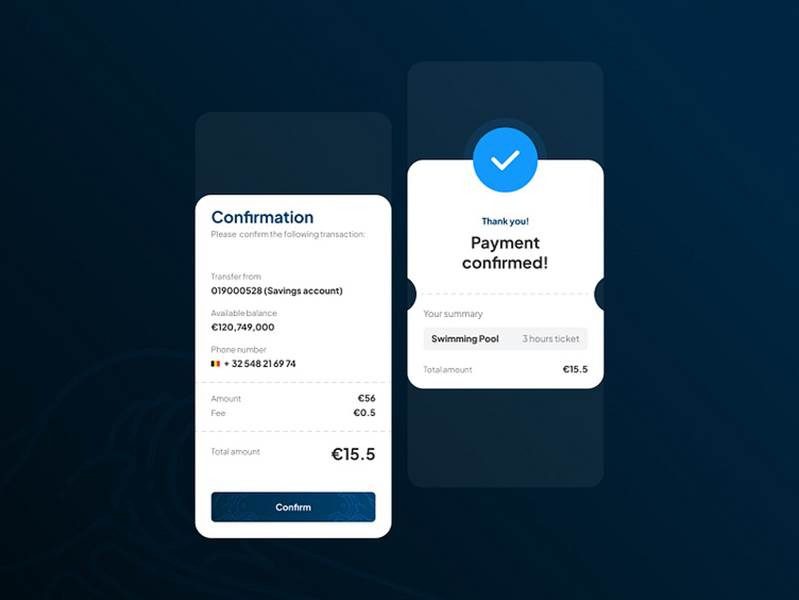
Mobile payment security is not about fear or restriction. It is about balance—keeping speed where it matters and friction where it protects. When these habits blend into daily routines, safety becomes something you barely notice, quietly working in the background while life moves forward.